The best way to store custom mylar bags is sealed, in closed cartons, in a cool, dry, dark room, handled by the edges with clean hands. Custom Mylar Bags Co. prints mylar bags in foil, clear, kraft-look and holographic films, and this guide covers shelf life, storage, handling and reuse so every pouch reaches your customer looking new.
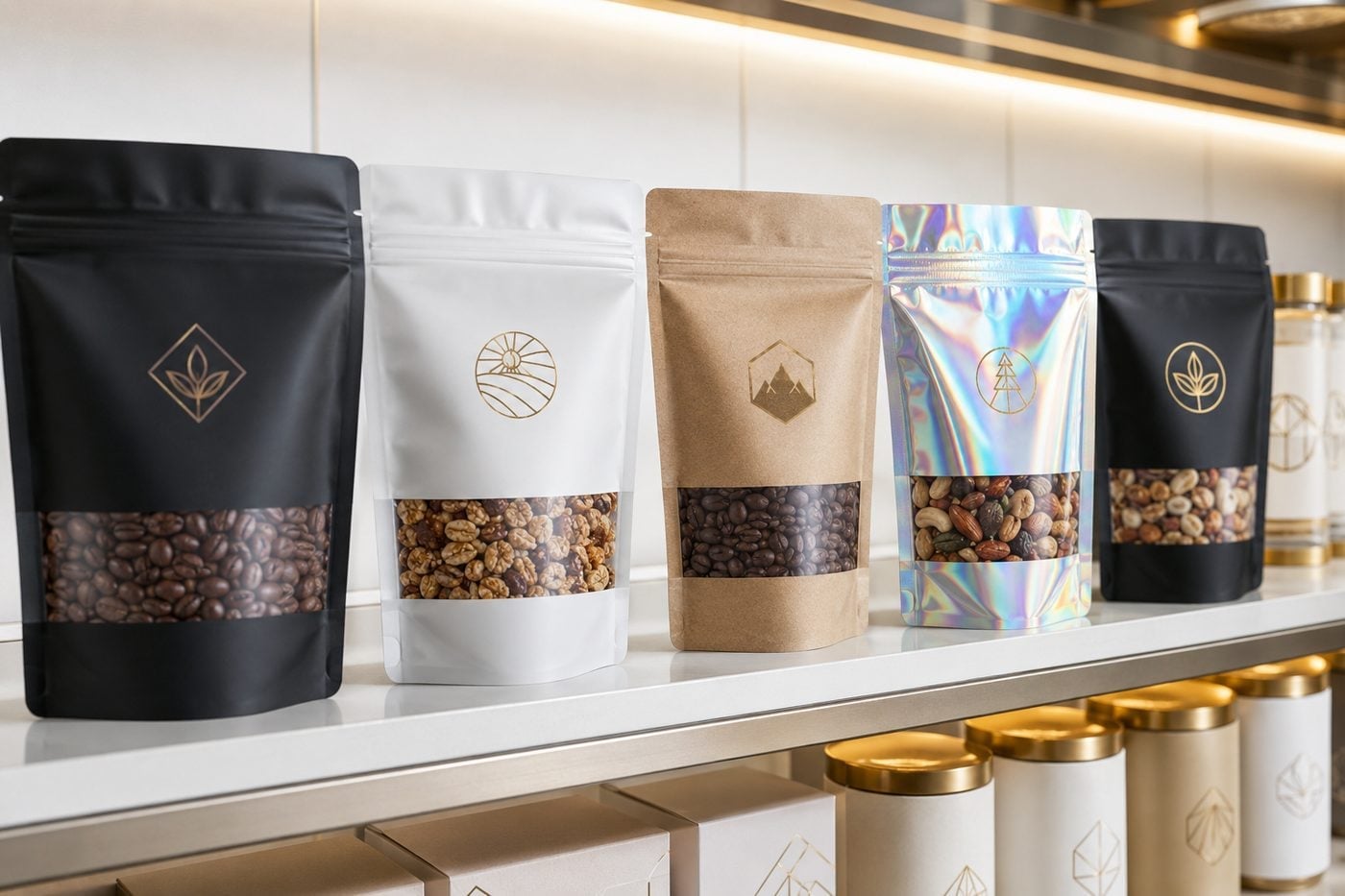
- Store mylar bags sealed, in closed cartons, in a cool, dry, dark room
- Heat, sunlight and sharp edges shorten pouch life more than the film itself
- Foil-lined film gives the strongest light and oxygen barrier for long storage
- Free mockup within 24 hours, production about 2 weeks
How long do products stay fresh in custom mylar bags?
Products packed in custom mylar bags stay fresh for as long as the seal holds and the bag is kept away from heat, strong light and sharp objects. The film itself is a strong barrier against oxygen, moisture and light, so most freshness problems come from what happens around the bag: a weak or contaminated seal, a zipper that is never fully pressed shut, or storage next to a heater or a sunny window. The product inside matters too, because oily snacks, roasted coffee and dried herbs each age differently even in the same pouch.
Shelf life is therefore something you set for your own product, not a number printed on the film. Run your own test: fill a handful of sample pouches, store them the way your customers will, and check aroma, crunch and color over the weeks you plan to sell through. Then print a best-by date you can stand behind. Custom Mylar Bags Co. can leave a clear panel on your design for a date stamp or lot code so you never have to cover artwork with a sticker.
- The seal and the storage conditions decide freshness more than the film does.
- Test your own product in sample pouches before you print a best-by date.
- Plan a clean area on the artwork for dates and lot codes.
What is the best way to store filled mylar bags before they sell?
The best way to store filled mylar bags is upright or flat in closed cartons, in a cool, dry, dark room, off the floor and away from anything with a sharp edge. Cartons protect the printed panels from scuffs, keep light off windowed pouches, and stop the bags from sliding against each other. Shelving off the floor keeps them clear of cleaning water and the occasional leak, which matters for kraft-look pouches with a paper outer layer.
Stand-up pouches pack best standing in rows with a divider every few layers, so the gussets keep their shape and the bags present cleanly when you unpack them for a shelf. Flat mylar bags stack well lying down, but avoid stacking heavy cartons on top of them, because weight pressed against a zipper can slowly stress the closure. Rotate stock first in, first out, and write the fill date on each carton so whoever restocks the shelf knows which pouches to move first.
- Pack filled pouches into cartons as soon as they are sealed and cool.
- Label each carton with the product, flavor and fill date.
- Store cartons on shelving in a cool, dark, dry room.
- Pull the oldest cartons first when you restock.
Does heat or sunlight damage printed mylar pouches?
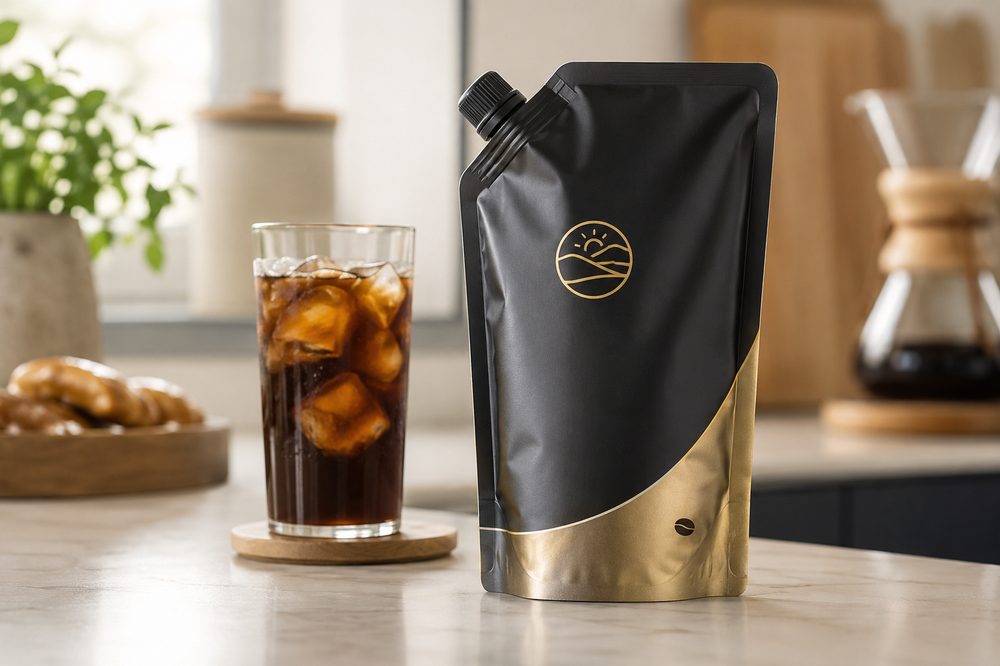
Heat and direct sunlight are the two conditions most likely to shorten the life of a printed mylar pouch and the product inside it. Heat softens chocolate, gummies and oily snacks, and it can make a sealed pouch puff or crease as the air inside expands. Strong sunlight fades bright inks over time and, on pouches with a clear window, reaches the product directly, which can dull the color of tea, spices and dried fruit.
A foil or fully printed pouch blocks light far better than a clear one, which is why light-sensitive products are usually packed in stand-up pouches with an opaque back and only a small window, or no window at all. If your pouches will sit on a sunny market table, in a delivery van or in a front window display, plan for it: keep display stock to a minimum, refill from a shaded cooler or carton, and bring sun-exposed sample bags back inside at the end of the day.
| Condition | What it affects | How to protect the bag |
|---|---|---|
| Heat | Melting products, puffed or creased pouches | Store in a cool room, never in a parked vehicle |
| Sunlight | Ink fading, product color through windows | Opaque or foil film, small windows, shaded displays |
| Humidity | Paper-look outer layers, labels, cartons | Dry storage, closed cartons, off the floor |
| Sharp objects | Pinholes that let air and moisture in | Dividers in cartons, no box cutters near stock |
How should you handle mylar bags so the printing stays clean?
Handle custom mylar bags by the edges and seals, with clean, dry hands, and keep them in their cartons until the moment you fill them. Oil, flour and powder on fingertips leave marks on gloss film and show up quickly on soft-touch finishes. Fingerprints on a matte panel are usually easy to wipe away, but a smear of oil pressed into the zipper track can keep a closure from locking properly later.
Set up a filling area where empty pouches sit on one side, product on the other, and the sealer in the middle, so empty bags never share space with spilled product. When you open a carton of blank pouches, cut along the tape with a short blade held flat rather than slicing down into the box, which is the easiest way to nick a whole stack at once. If a printed pouch is scuffed, dented or creased before filling, set it aside for samples or internal use rather than sending it to a shelf where it represents your brand.
- Fill with clean, dry hands, or wear food-safe gloves for oily and powdered products.
- Keep blank pouches separated from the product and the sealer.
- Open cartons carefully so the blade never reaches the bags.
Can customers reuse resealable mylar bags at home?
Customers can reuse resealable mylar bags at home many times, as long as the zipper track stays clean and the pouch has not been punctured. That reuse is quiet marketing: every time a customer refills your pouch with leftovers, snacks or coffee, your logo goes back into the pantry. Printing a short care line on the back panel, such as wiping the zipper before closing and keeping the bag away from heat, helps the pouch last longer and reminds the customer where it came from.
Closure choice decides how well reuse works. A press-to-close zipper suits pantry products opened several times a week, a slider is easier for customers with limited grip, and a tear-notch with no zipper is meant for single-use portions. Child-resistant mylar bags use a closure designed to be reopened by adults again and again, so the care line on those pouches should explain how to press the closure fully shut each time. Custom Mylar Bags Co. can add care and reuse copy to your mockup at no charge, and you can revise it as many times as you like before approving.
Which mylar bag film holds up best in long storage?
Foil-lined mylar bags hold up best in long storage, because the metalized layer blocks light and oxygen more completely than clear or paper-look films. That makes foil the natural choice for products that sit in a pantry or warehouse for a long time, such as dried fruit, specialty coffee, baking mixes and emergency food kits. Clear films show off the product but let light through, and kraft-look pouches have a paper outer layer that prefers dry rooms.
Finish matters for longevity of the look as well as the contents. A matte or soft-touch finish hides scuffs from shipping and handling, while gloss shows fingerprints but makes colors pop on a shelf. Holographic mylar bags are eye-catching for gifts and limited editions, and they benefit from closed cartons and careful handling so the surface stays bright. If you are not sure which film suits your product and storage plan, describe both in your quote request and the team will recommend a film and finish together.
| Film | Strength in storage | Watch out for |
|---|---|---|
| Foil-lined | Strongest light and oxygen barrier | Hides the product, so the print must sell it |
| Clear | Shows the product and its color | Light reaches the contents |
| Kraft-look | Natural look with a barrier liner | Paper outer layer dislikes damp rooms |
| Holographic | Bold shelf presence | Surface scuffs if stored loose |
How should you store unused blank pouches between production runs?
Unused printed pouches keep well between runs when they stay sealed in their original cartons, in the same cool, dry, dark room as your filled stock. Keep each design and size in its own labeled carton, note the date the shipment arrived, and use older cartons first so a reorder never sits behind last season’s packaging. When you open a carton, take out what you need for the day and close the rest again so dust and light stay out.
Planning reorders around your storage space also protects quality. A smaller run reordered on schedule is easier to store well than a huge stack squeezed into a hot back room. Custom Mylar Bags Co. keeps your approved artwork on file, so a reorder starts with a quick check of the proof instead of a new design, and standard production takes about 2 weeks, with faster turnaround available through express shipping. Start a reorder or a new design from the quote page, and you pay nothing until you approve the design.
Frequently asked questions
Can mylar bags be stored in a freezer?
Mylar bags can usually go into a freezer when the product inside suits freezing, such as baked goods or coffee beans stored long term. Let the pouch return to room temperature before opening so condensation forms on the outside rather than on the product. Custom Mylar Bags Co. can add a short storage line to your design if customers are likely to freeze the contents.
Should I add oxygen absorbers to my mylar bags?
Mylar bags paired with oxygen absorbers suit dry foods meant for long storage, like grains, beans and emergency food kits. Absorbers are less useful for products opened every day, because each opening lets fresh air in. Follow the absorber maker's guidance for your fill size, add the absorber right before sealing, and keep unused absorbers in an airtight container between batches.
How do I clean the zipper on a resealable mylar bag?
Clean the zipper on a resealable mylar bag by wiping both tracks with a dry or barely damp cloth, then letting them air dry before pressing the bag shut. Crumbs, powder and sugar are the usual causes of a zipper that will not lock. Avoid soaking the pouch, since water trapped inside the bag can affect dry products the next time it is filled.
Can mylar bags go in a dishwasher or microwave?
Mylar bags should not go in a dishwasher or microwave. Foil-lined films are not microwave-safe, and dishwasher heat can warp the film and weaken the seals and zipper. If customers might try either, a short care line on the back panel helps. Custom Mylar Bags Co. can place that copy on your mockup within 24 hours, and revisions are free.
Will printed mylar bags scratch each other during shipping?
Printed mylar bags can scuff each other in transit if they travel loose in a large box. Packing them snugly in cartons, adding dividers between rows of stand-up pouches, and filling empty space so the bags cannot slide keeps the printing clean. A matte or soft-touch finish also hides minor rub marks better than a high-gloss finish.
What should a shop do with mylar bags that have a pinhole or a split seal?
Mylar bags with a pinhole or a split seal should be pulled from sale, because air and moisture can reach the product even through a tiny opening. Check suspect pouches by pressing gently and feeling for escaping air. Keep a note of how damaged bags were found so you can fix the handling or storage step that caused it.
Do kraft mylar bags need different storage than foil bags?
Kraft mylar bags have a paper-look outer layer over a barrier liner, so they need a drier storage area than all-film foil pouches. Damp rooms can soften or mark the paper surface even when the product inside stays protected. Store kraft pouches in closed cartons off the floor, and keep them away from coolers, sinks and freshly mopped areas.
Can I store different flavors in the same carton of mylar bags?
Mylar bags in different flavors can share a carton, but separate labeled cartons make restocking and recalls far easier. Strongly scented products such as coffee, spices and smoked snacks are best kept apart once sealed. Custom Mylar Bags Co. can print distinct colors or flavor bands on each design so mixed cartons are quick to sort by eye.
How should a market vendor keep mylar bags fresh at an outdoor booth?
An outdoor vendor keeps mylar bags fresh by displaying only a few pouches at a time and holding the rest in a closed cooler or carton in the shade. Sun on a table heats pouches quickly and fades colors through clear windows. Swap display bags through the day, and bring them inside at night rather than leaving them in a hot vehicle.
Can I write on mylar bags with a marker for dates or batch numbers?
Mylar bags accept permanent marker on most printed and matte surfaces, which works well for small batches. On glossy film, test a marker first, because some inks smudge before they dry. For steady production, ask Custom Mylar Bags Co. to add a clear, unprinted panel to the design so dates and batch numbers stay legible every time.
Is there a care label I can print on my custom mylar bags?
Custom mylar bags can carry a short care and storage label on the back panel, such as keeping the pouch cool and dry, wiping the zipper before closing, and resealing after each use. Keep the wording brief so it fits beside ingredients and barcodes. The mockup shows exactly where the care copy sits before you approve anything.
Get a free mockup for your mylar bags
Send your logo or idea and the quantity you have in mind. Custom Mylar Bags Co. returns a free mockup within 24 hours, you approve the design before anything is produced, and standard turnaround is about two weeks with faster options available. Get a custom quote.